
CP-19A frame warmer
Hot air, adjustable from 80 to 130 °C, with an airflow deflector. The CP-19B is the fixed-temperature version.
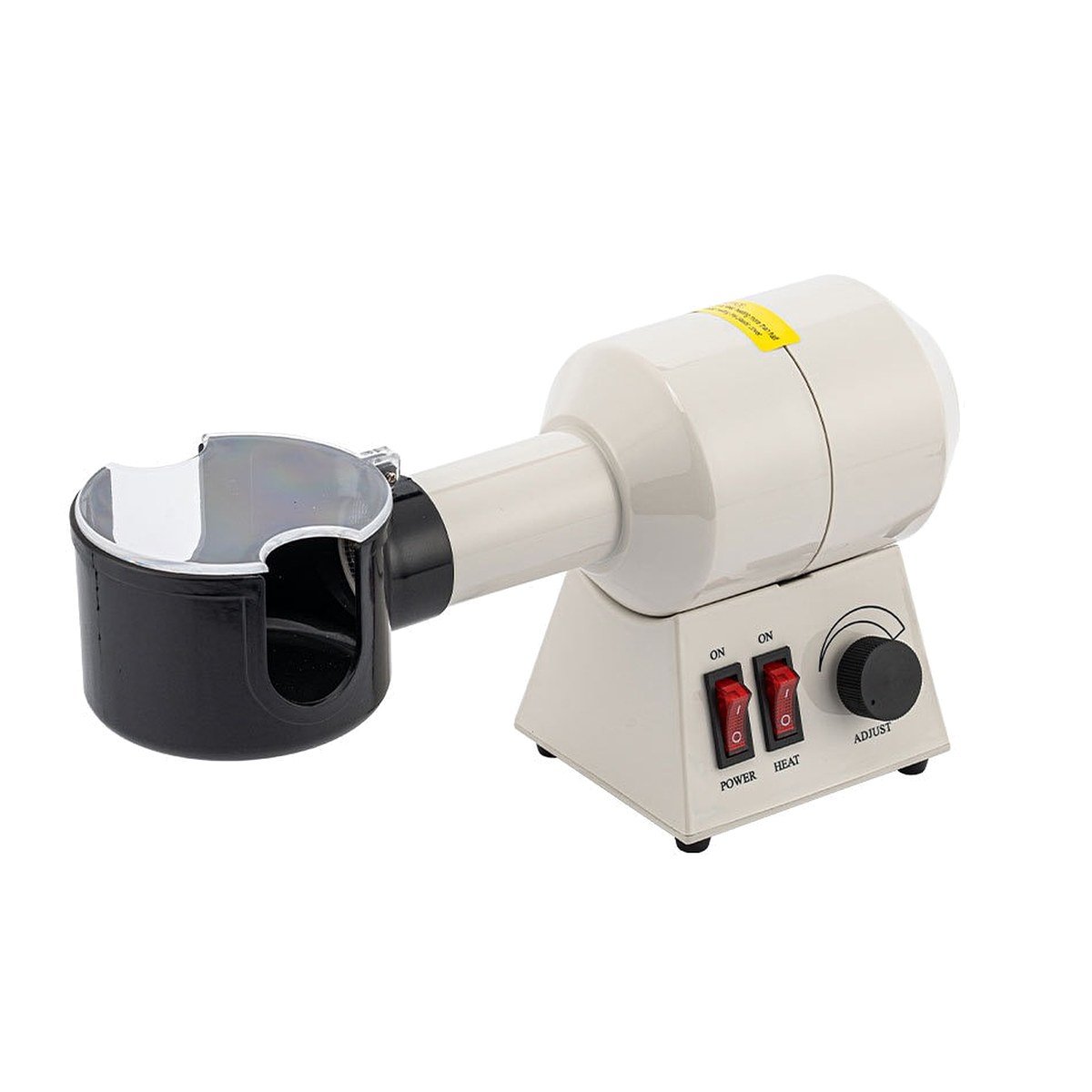
CP-19A
Hot-air frame warmer, adjustable 80–130 °C.- Temperature
- 80–130 °C
- Power
- 600 W
- Airflow
- Deflector
- Package
- 1.6 kg
Heat by frame material
| Material | Heat |
|---|---|
| Cellulose acetate (zyl) | About 57–62 °C. |
| Cellulose propionate | About 67 °C. |
| Optyl (epoxy) | 80–120 °C. |
| Nylon, polyamide, TR90 | Glaze cold. |
| SPX co-polyamide | Only 100–110 °C. |
| Carbon fiber | Glaze cold. |
| Metal | Adjust cold. |
CP-008 and CP-120T
Two tank sizes. The CP-008 runs at 40 kHz, 35 W; CP-120T electrical data is confirmed on your quotation.
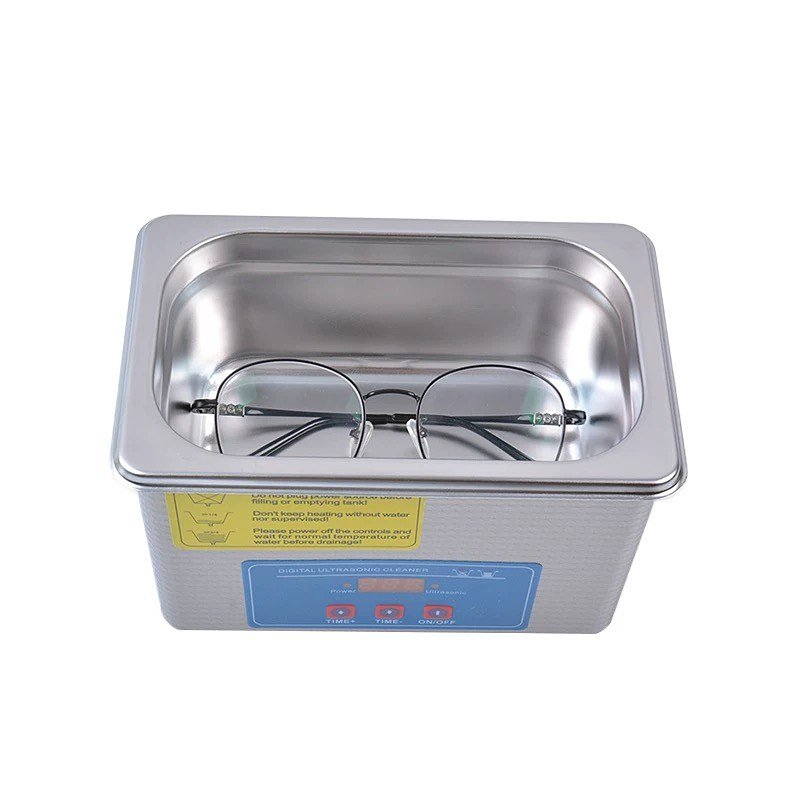
CP-008
Ultrasonic cleaner for glasses, 0.8 L, 40 kHz, digital timer.- Capacity
- 0.8 L
- Frequency
- 40 kHz
- Power
- 35 W
- Controls
- Digital timer
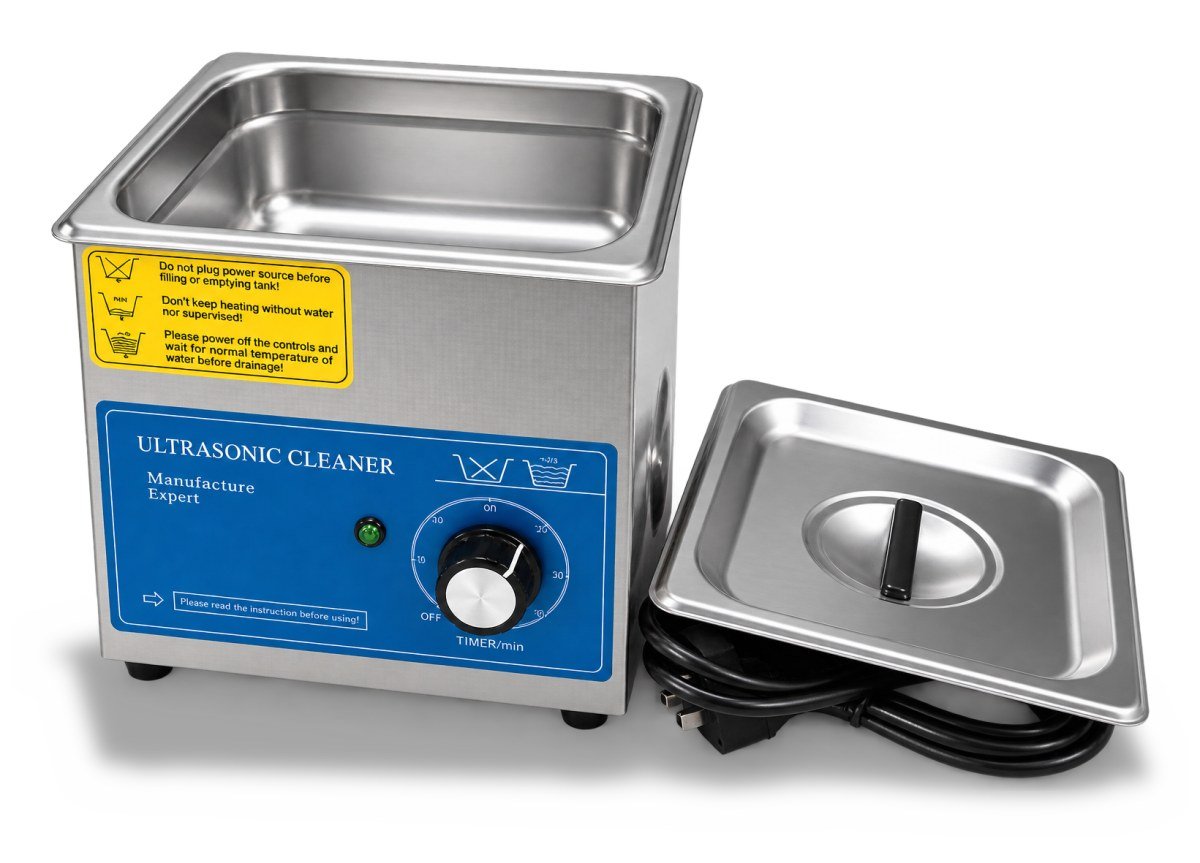
CP-120T
Ultrasonic cleaner for eyeglasses, 2.0 L.- Capacity
- 2.0 L
- For
- Several frames or tools
- Where
- Counter or repair bench
- Electrical data
- On quotation
Safe heating and cleaning
Frame warmers
Hot air is clean and lets you heat one spot; salt and bead pans heat thick frames evenly but leave residue or trap beads. Heat the frame part, not the lens: heating mounted lenses can distort them and craze coatings, and lens makers warn that temperatures above about 80 °C can damage lenses and coatings.
Ultrasonic cleaners
- Use cold or lukewarm water with a few drops of mild detergent.
- Run short cycles, with glasses in a basket off the tank floor.
- Keep out lenses with damaged coatings, natural-material frames (wood, horn, shell) and glued or stone-set decorations.
- Rinse and dry with a lint-free cloth.
Background sources: Frame materials, CET 156 (ABDO) · Ultrasonic frequency selection (Elma) · What's on your bench (Eyecare Business)
Dispensing equipment questions
Hot air or a salt or bead pan?
Hot air is cleaner and more targeted, and most opticians prefer it. Bead pans heat thick frames evenly but can trap beads.
Which frames can be heated?
Acetate, propionate (carefully) and optyl. Nylon, TR90 and carbon fiber are glazed cold; metal is adjusted cold.
Will an ultrasonic cleaner damage anti-reflective coatings?
Lens makers recommend ultrasonic cleaning, but some opticians report crazing on older or damaged coatings. Use cold water, mild detergent and short cycles.
0.8 L or 2.0 L?
The 0.8 L CP-008 suits a pair of glasses at the counter; the 2.0 L CP-120T takes more than one pair, or tools from the bench.