
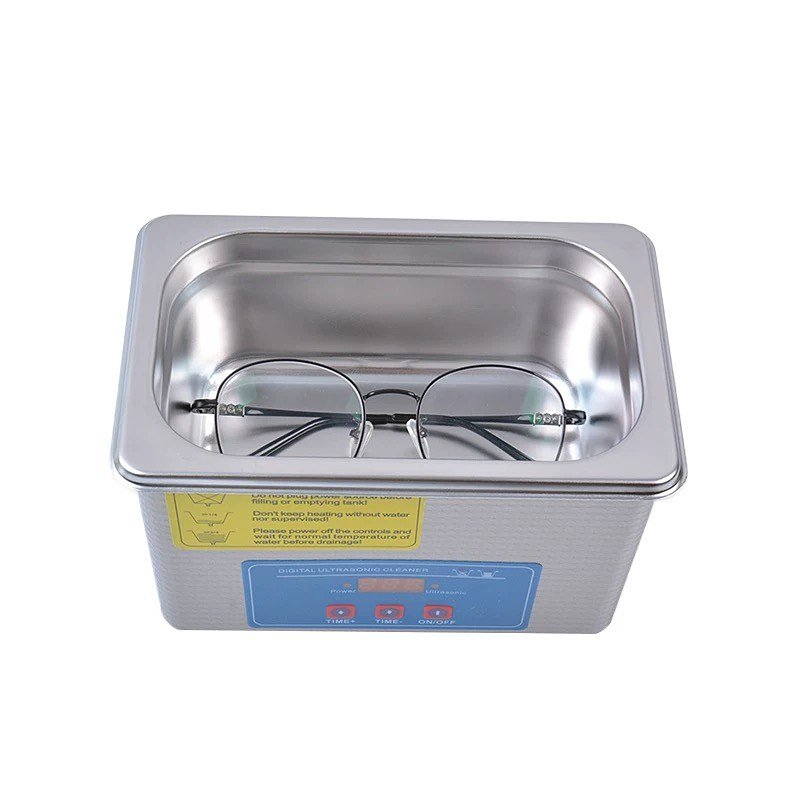
CP-008 Ultrasonic cleaner for glasses, 0.8 L
A 0.8-liter, 40 kHz ultrasonic cleaner with a stainless steel tank and a digital timer, for the dispensing counter. Cavitation in the bath lifts dirt out of hinges, nose pads and screw holes, which makes it a quick service for customers and a useful step before adjustments and repairs.
Delivery, packing and documents
What the CP-008 does
Cleans where cloths can’t
Cavitation at 40 kHz reaches hinges, screw holes and nose-pad arms.
0.8 L tank
Sized for a pair of glasses at the counter.
Digital timer
Set the cycle with TIME+ and TIME−; power and ultrasonic indicators show when it is running.
Stainless steel
Stainless steel housing, tank and lid: durable, scratch-resistant, heat- and wear-resistant.
Quiet and stable
Low-noise in operation, with vent slots for heat and soft rubber feet on the counter.
Before repairs
Clean frames before adjusting or repairing them, so grit does not scratch or jam parts. Also takes small screws and parts.
A closer look at the CP-008
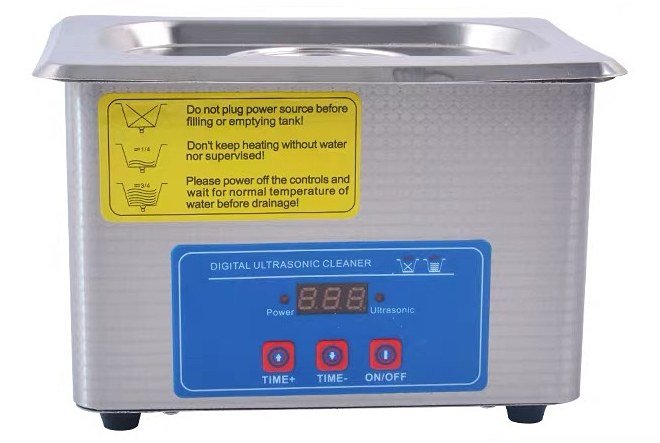
Digital timer panel
A three-digit display with power and ultrasonic indicators, and TIME+, TIME− and ON/OFF keys. Low-noise in operation.
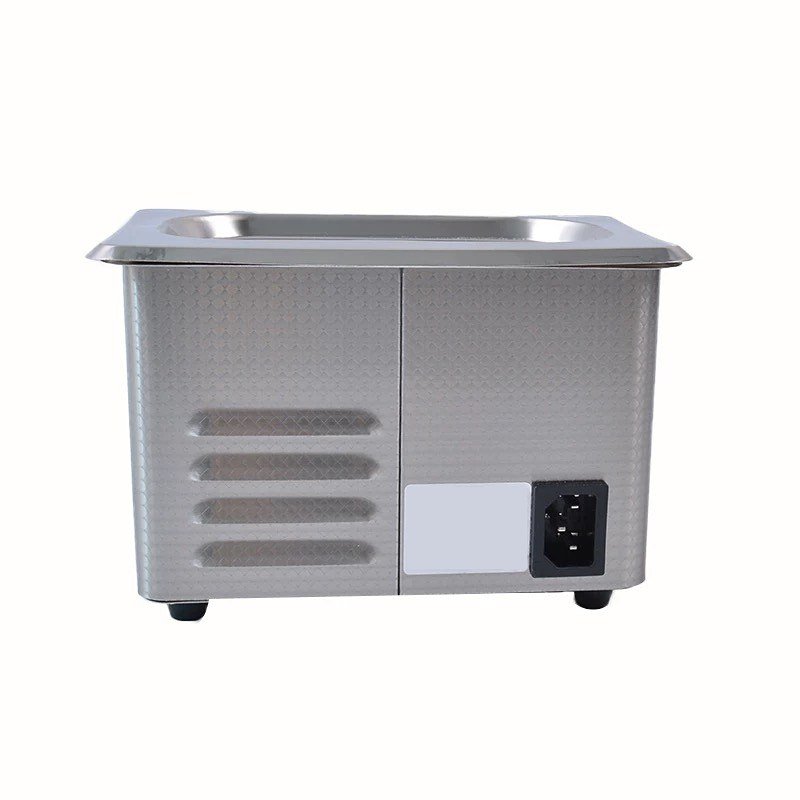
Heat dissipation
Vent slots in the housing, and soft black rubber feet underneath.
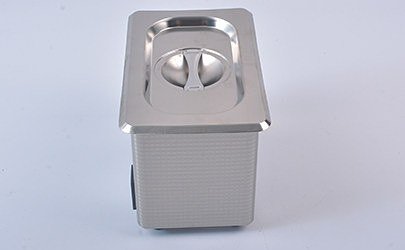
Durable, scratch-resistant
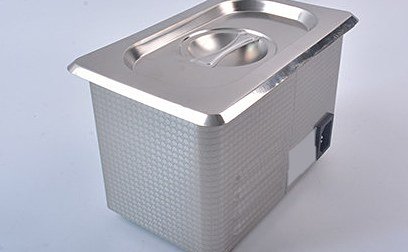
Stainless steel housing and lid that stand up to daily use.
Heat- and wear-resistant
Good heat and wear resistance for the counter and the repair bench.
Packaging
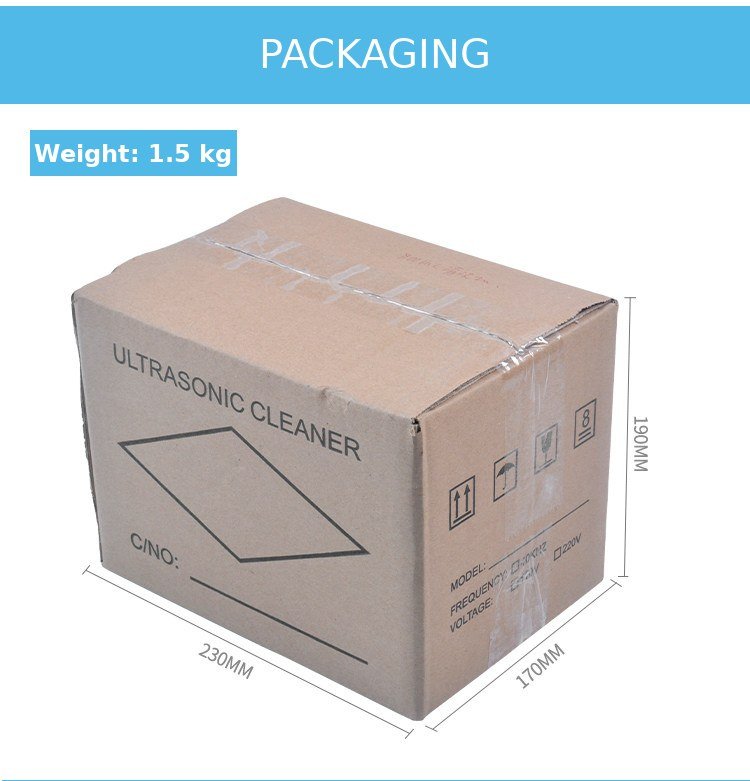
Shipped in a 230 × 170 × 190 mm carton, 1.5 kg.
CP-008 in figures
Published specifications. Anything not listed here is confirmed in writing on your quotation, never estimated.
Other voltages and the plug type are confirmed on your quotation.
CP-008
- Tank capacity
- 0.8 L
- Ultrasonic frequency
- 40 kHz
- Ultrasonic power
- 35 W
- Power supply
- AC 200–240 V, 50 Hz
- Controls
- Digital timer: TIME+, TIME−, ON/OFF; power and ultrasonic indicators
- Housing
- Stainless steel, with stainless steel lid
- Package
- 230 × 170 × 190 mm
- Package weight
- 1.5 kg
Ultrasonic cleaning without damaging lenses
How it works
A transducer under the tank vibrates the liquid at ultrasonic frequency. Millions of tiny bubbles form and collapse against the frame, and their collapse lifts dirt from hinges, nose pads and screw holes. Lower frequencies make larger bubbles and a more aggressive clean; higher frequencies are gentler. Around 40 kHz is the general-purpose band.
Sources disagree on lenses. A major lens maker describes ultrasonic cleaning as the gentlest and most effective way to remove dirt, while some opticians keep anti-reflective lenses out of the bath after seeing occasional crazing, mostly on older or already damaged coatings. The balanced approach: cold water, mild detergent, short cycles, and judgment case by case.
Keep some things out altogether: lenses whose coating is already crazed or peeling, frames of natural materials such as wood, horn or shell, and frames with glued parts, rhinestones or inlays.
Check before you order
- Tank size: 0.8 L takes a pair of glasses; a larger tank takes several frames or tools (see the CP-120T).
- Frequency: 40 kHz on the CP-008, the general-purpose band. For eyewear, cold or lukewarm water is safest.
- A basket, so glasses do not sit on the tank floor.
- Voltage for your country: the CP-008 runs on AC 200–240 V, 50 Hz.
Good practice
- Fill with cold or lukewarm water and a few drops of mild, pH-neutral detergent.
- Check the frame and lenses first; keep damaged coatings and natural materials out.
- Place the glasses in the basket, not touching the tank floor.
- Run a short cycle of a few minutes.
- Rinse in clean water and dry with a lint-free cloth.
Care and maintenance
- Change the water and solution regularly.
- Never run the tank empty.
- Rinse and dry the tank at the end of the day.
Background sources: Ultrasonic frequency selection (Elma) · What's on your bench (Eyecare Business)
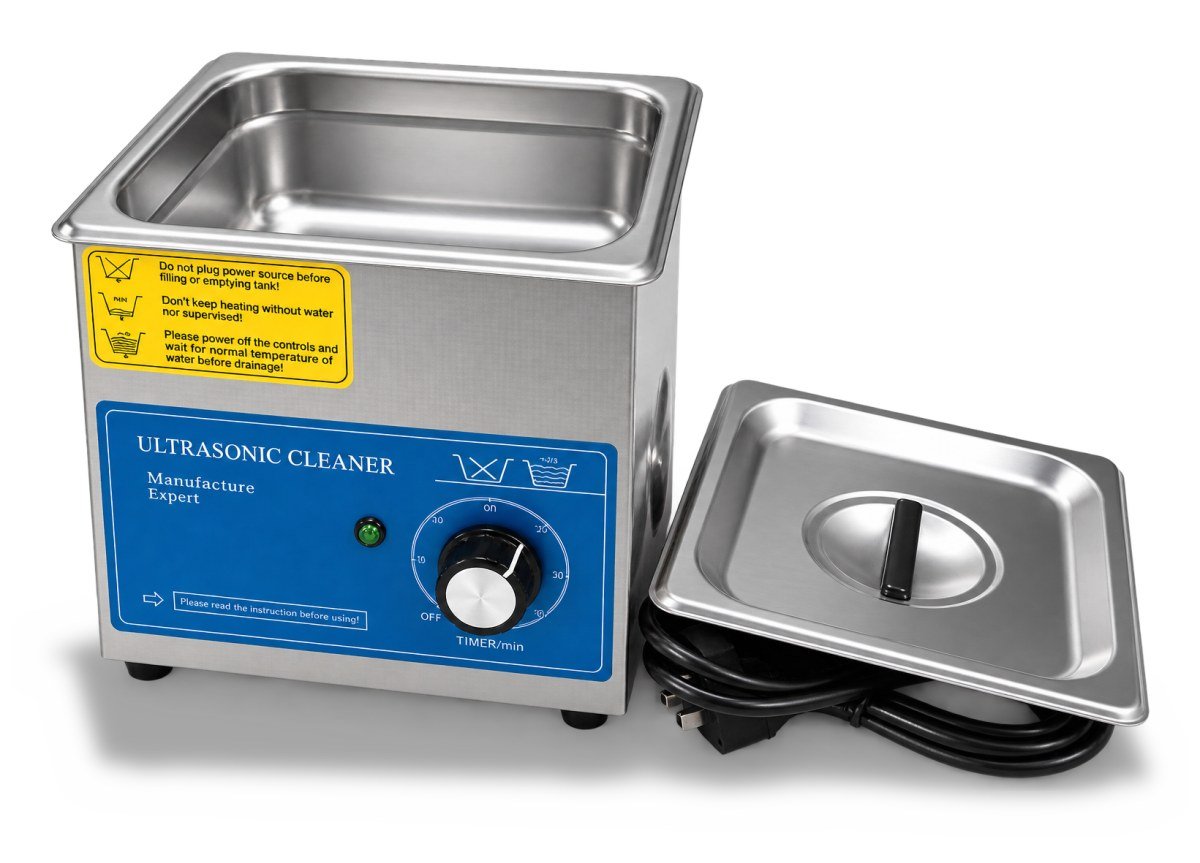
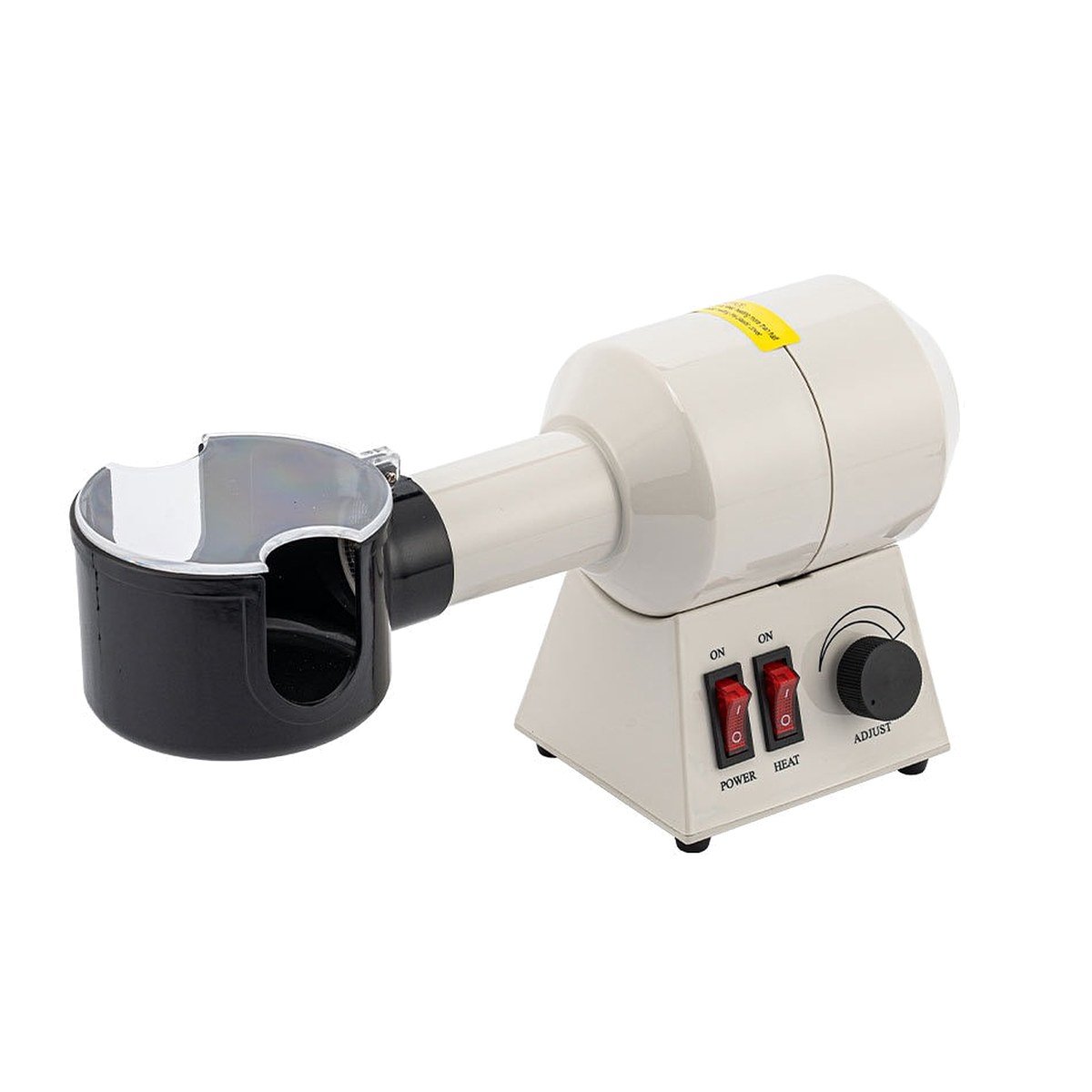
Often ordered with the CP-008
CP-008 questions
Will it damage anti-reflective coatings?
Lens makers recommend ultrasonic cleaning, but some opticians report occasional crazing on older or already damaged coatings. Use cold water, mild detergent and short cycles, and keep damaged lenses out.
Hot or cold water?
Cold or lukewarm. Heat is the main risk to coatings and some frame materials.
What cleaning solution should I use?
Water with a few drops of mild, pH-neutral detergent. Avoid jewelry-strength and solvent cleaners.
Is 0.8 L big enough?
For a pair of glasses at the counter, yes. For several frames at once or for tools, the 2.0 L CP-120T gives more room.