
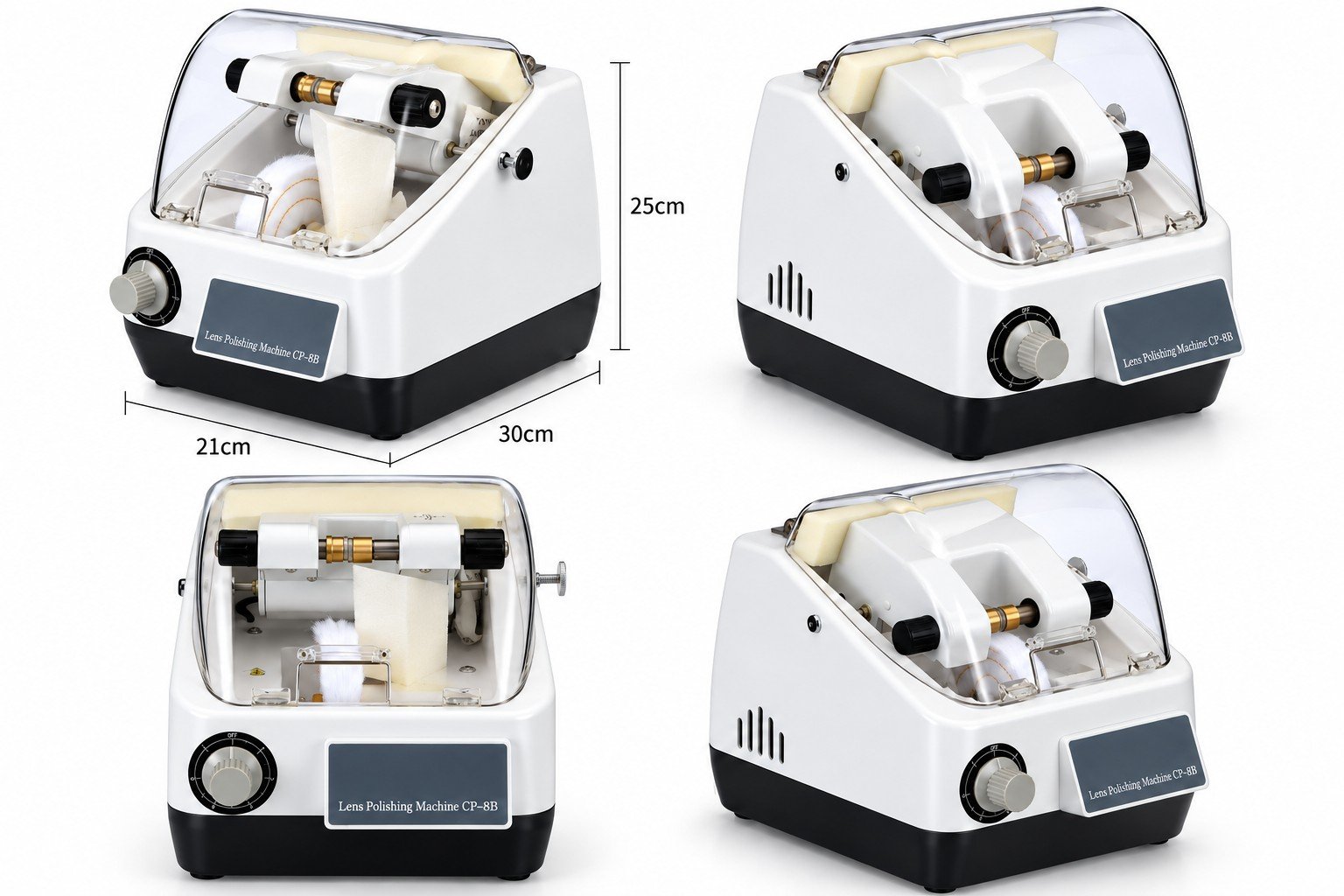
CP-8B Automatic lens polishing machine
A fully automatic polishing machine that turns the matte edge left by edging into a clear, glossy edge. Set the timer from 1 to 5 minutes; the polishing wheel is up to 115 mm across and 10 mm thick.
Delivery, packing and documents
What the CP-8B does
Fully automatic
Runs the polishing cycle on its own, so the optician is free for other work.
1–5 minute timer
Set the cycle length to the lens and the finish you want.
Polishing wheel
A cloth wheel up to 115 mm in diameter and 10 mm thick, turning at up to 3,000 rpm.
Gentle clamp
A copper clamp head with rubber pads holds the lens without damaging it.
Clear, glossy edges
Turns a frosted edge clear, which matters most where the edge shows.
Compact, low power
210 × 300 × 250 mm and 4.5 kg, drawing 80 W.
A closer look at the CP-8B
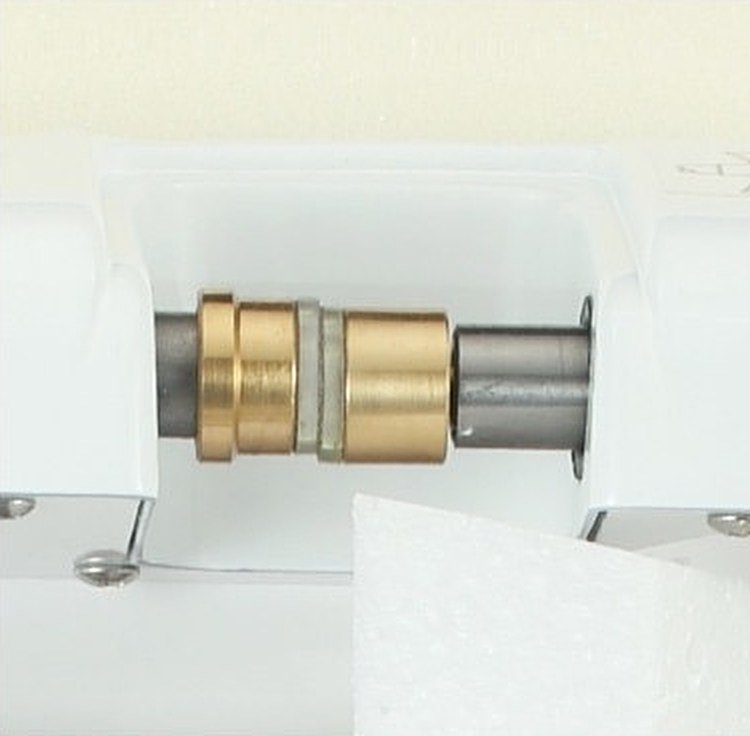
Lens clamp
A copper clamp head with rubber pads holds the lens without marking it.
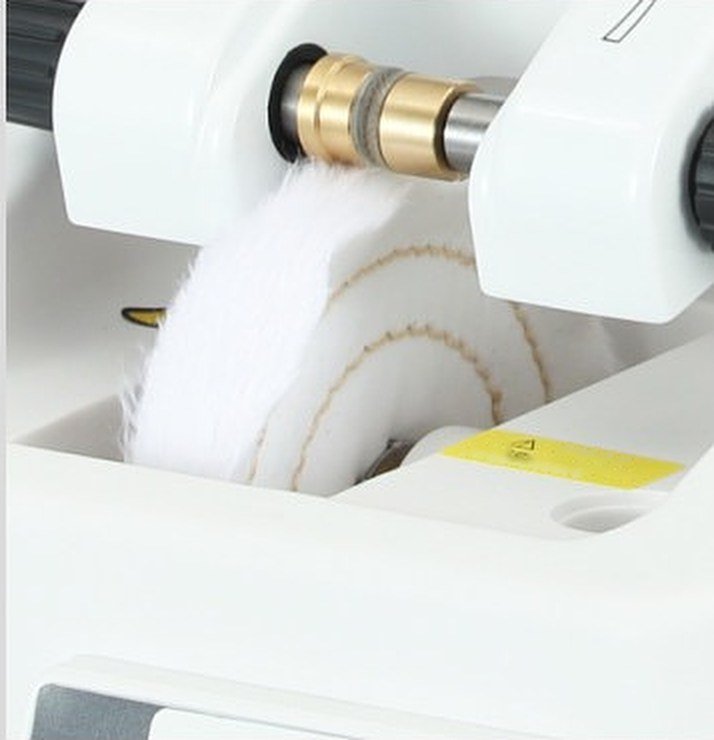
Polishing cloth wheel
A quality cloth wheel that turns at up to 3,000 rpm.
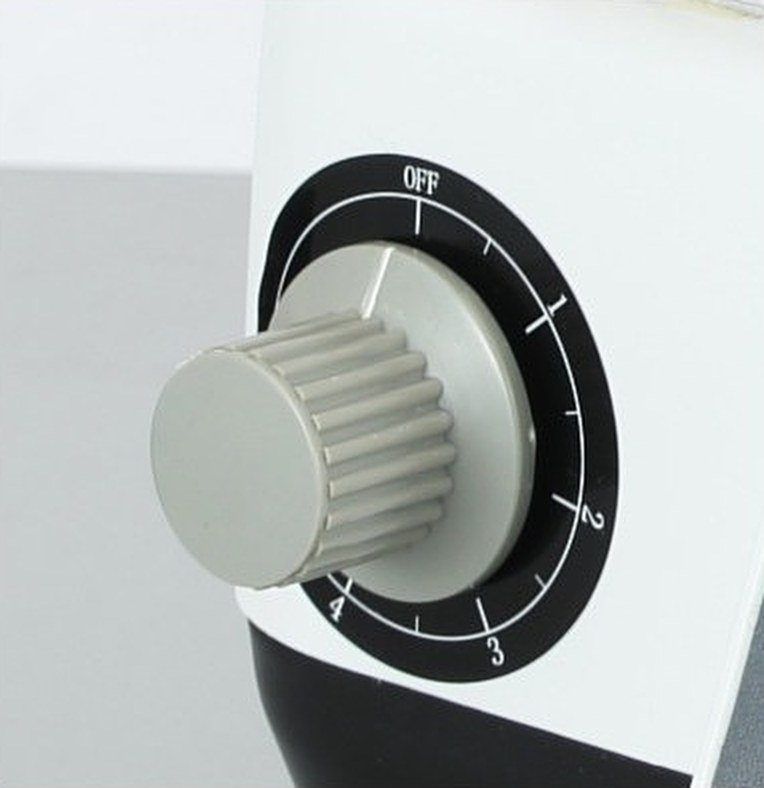
Timer knob
Turn the knob to set the cycle from 1 to 5 minutes; the machine stops on its own.
CP-8B in figures
Published specifications. Anything not listed here is confirmed in writing on your quotation, never estimated.
For hand polishing, ask us about the CP-8A manual polishing machine (two wheels, 120 W).
CP-8B
- Timer
- 1–5 minutes
- Polishing wheel
- max. Ø115 mm, 10 mm thick
- Wheel speed
- up to 3,000 rpm
- Lens clamp
- Copper, with rubber pads
- Voltage
- AC 220 V / 50 Hz, 110 V / 60 Hz
- Power
- 80 W
- Net weight
- 4.5 kg
- Packaging weight
- 5.4 kg
- Product dimensions
- 210 × 300 × 250 mm (W × D × H)
When and how to polish lens edges
How it works
Edging leaves a matte, frosted edge. Polishing makes it clear and glossy. It matters most where the edge shows: rimless and semi-rimless lenses, and the thick edges of high-minus lenses in full-rim frames.
Practice varies. Some labs polish every exposed edge; others only above about ±3 D. Polishing an edge can create internal reflections that show as rings in the lens, which anti-reflective coating reduces. On polycarbonate, trade guides also recommend polishing edges before inserting the lens into a metal frame, to help prevent cracking.
An automatic polisher takes the hand-feeding out of the job and gives a repeatable finish on both lenses of a pair.
Check before you order
- Automatic or hand-fed: the CP-8B is automatic; the CP-8A is manual.
- Timer range (1–5 minutes on the CP-8B).
- Wheel size and the availability of replacement wheels and compound.
- Which edges you polish: flat edges for rimless, bevels for full-rim.
Good practice
- Finish edging, drilling or grooving first.
- Protect coated surfaces; keep polishing compound off the lens faces.
- Set the timer to the shortest cycle that gives a clear edge.
- Check both lenses of a pair for an even finish.
- Clean the lens before mounting.
Care and maintenance
- Replace the wheel and compound when the finish turns dull.
- Keep the machine and cover free of compound and dust.
- Use polishing materials made for polycarbonate when polishing poly, to avoid swirls and heat.
Background sources: Living on the edge (Eyecare Business) · Edging poly: a troubleshooting guide (Eyecare Business) · What's on your bench (Eyecare Business)
Often ordered with the CP-8B
CP-8B questions
Is my edger’s polishing cycle enough?
Edgers with a polishing wheel give good results. A separate polisher adds capacity, or covers edgers without a polishing wheel and edges finished on a hand edger or beveller.
Should every lens be polished?
Practice varies. Polish exposed edges (rimless, semi-rimless) and thick high-minus edges; on full-rim frames it is optional.
What timer setting should I use?
Start with a short cycle and extend it only if the edge is not yet clear. The CP-8B timer runs from 1 to 5 minutes.
Automatic or manual polisher?
The CP-8B is automatic, so it runs while you work on something else. The CP-8A is a manual two-wheel polisher (120 W) where you hold the lens.